Home › Knowledge Hub › Winter Preparedness › Influenza Vaccination Programs for Aged Care: Planning and Implementation
Winter Preparedness
By Lyndon Forrest, Managing Director · Clinically reviewed by Bridgette Mackie & Dianne Newey, Clinical Directors · June 2026 · 9 min read
Influenza Vaccination Programs for Aged Care: Planning and Implementation
TL;DR —
Influenza vaccination is the most effective single measure to reduce influenza-related illness and death in aged care. ATAGI recommends annual influenza vaccination for all aged care residents and staff. Facilities commonly work to coverage benchmarks of ?90% for residents and ?75% for staff. The optimal vaccination window is April–May, ahead of the Australian influenza season (June–September). From 2026, all influenza vaccines available in Australia are trivalent — the B/Yamagata lineage has been removed — and for adults aged 65 and over, ATAGI recommends either an adjuvanted or a high-dose vaccine in preference to standard-dose. Under the Strengthened Aged Care Quality Standards (effective 1 November 2025), Outcome 4.2, and the ACSQHC Aged Care Infection Prevention and Control Guide, influenza vaccination programs form part of a provider’s IPC obligations
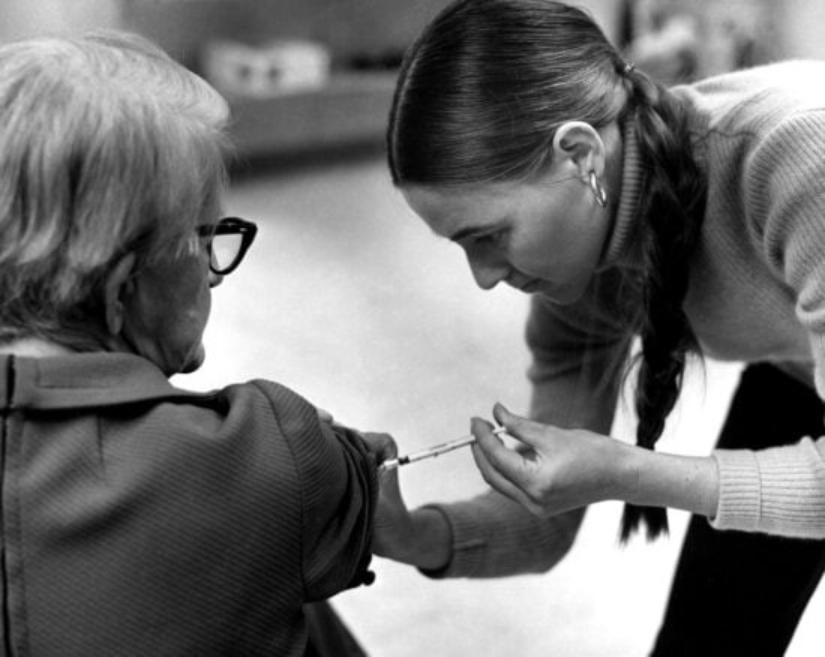
Why Is Influenza Vaccination Critical in Aged Care?
Influenza vaccination in aged care prevents severe illness, hospitalisation, and death among the most vulnerable population group. In 2024, Australia recorded over 300,000 laboratory-confirmed influenza notifications (NNDSS data), with aged care residents experiencing disproportionate hospitalisation and mortality rates compared to the general population.
Influenza outbreaks in aged care are common, highly disruptive, and potentially fatal. Case fatality rates in aged care influenza outbreaks range from 1-4% of affected residents (CDNA National Guidelines, 2024). Beyond direct mortality, influenza triggers pneumonia, dehydration, delirium, functional decline, and hospital transfers that further compromise resident health and wellbeing.
Vaccination of staff is also important. Staff can transmit influenza to residents during the 1–2 day pre-symptomatic infectious period, and ATAGI recommends annual vaccination for all aged care workers. It is worth being clear about the evidence base: the Cochrane review of healthcare worker vaccination in long-term care found no conclusive evidence of benefit for laboratory-confirmed influenza, its complications, or all-cause mortality among residents, and called for better quality studies. Staff vaccination is recommended to reduce transmission risk and protect the workforce itself — not based on a proven mortality reduction.
What Does ATAGI Recommend for Influenza Vaccination in Aged Care?
The Australian Technical Advisory Group on Immunisation (ATAGI), through the Australian Immunisation Handbook (current edition), provides specific recommendations for influenza vaccination in aged care settings.
Recommendations for Residents
Annual influenza vaccination is recommended for all residents of aged care facilities, regardless of age or comorbidity status.
From 2026, all influenza vaccines available in Australia are trivalent (TIV), containing two influenza A strains and one influenza B strain (B/Victoria lineage).
For adults aged 65 and over, ATAGI recommends either an adjuvanted trivalent vaccine (aTIV) or a high-dose trivalent vaccine (TIV-HD) in preference to standard-dose vaccines. Both are preferred options; neither is ranked above the other.
Standard quadrivalent influenza vaccine (QIV) may be used for residents aged under 65.
Funding: the adjuvanted vaccine is funded under the National Immunisation Program (NIP) for adults aged 65 and over. The high-dose vaccine is not NIP-funded and would be a private purchase. NIP funding also covers Aboriginal and Torres Strait Islander people aged 6 months and over, pregnant women, children aged 6 months to under 5 years, and people with specified medical conditions.
Need help implementing this in your facility? The IPS Hub gives your IPC Lead instant access to ready-made policies, procedures, and audit tools — updated monthly.
Recommendations for Staff
Annual influenza vaccination is recommended for all aged care workers, including clinical, personal care, catering, cleaning, and administrative staff who enter the facility.
Standard-dose trivalent vaccine (TIV) is appropriate for staff aged under 65. Staff aged 65 and over should receive an adjuvanted (aTIV) or high-dose (TIV-HD) trivalent vaccine.
Influenza vaccination may be funded for healthcare workers in some jurisdictions; employers should fund vaccination where government funding is not available.
When Is the Optimal Time to Vaccinate?
The optimal time for influenza vaccination in aged care is April-May, at least 2-4 weeks before the typical onset of the Australian influenza season in June. Vaccination takes approximately 2 weeks to produce protective antibody levels. Immunity from influenza vaccination wanes over 3-6 months, so vaccinating too early (e.g., February-March) may leave residents with reduced protection during the peak season (July-September).
| Month | Action | Rationale |
|---|---|---|
| March | Order vaccine supply; confirm GP/pharmacist availability; prepare consent forms | Influenza vaccines for the Southern Hemisphere are typically available from late March |
| April | Begin resident vaccination; commence staff vaccination programme | Allows 2+ weeks for immunity to develop before June season onset |
| May | Complete all vaccinations; document coverage rates; follow up refusals | Final window before peak season; ensures maximum herd protection |
| June onwards | Vaccinate newly admitted residents and new staff; continue to offer to unvaccinated | Late vaccination still provides benefit; any protection is better than none |
What Vaccine Types Are Available for 2026?
| Vaccine Type | Brand Examples | Recommended For | Key Feature |
|---|---|---|---|
| Adjuvanted QIV (aQIV) | Fluad Quad | Adults >= 65 years (ATAGI preferred) | MF59 adjuvant enhances immune response in older adults |
| High-dose QIV (QIV-HD) | Fluzone High-Dose Quad | Adults >= 65 years (alternative) | 4x antigen content compared to standard dose |
| Standard QIV | FluQuadri, Afluria Quad, Influvac Tetra | Adults < 65 years, staff | Standard-dose quadrivalent covering 2 influenza A and 2 influenza B strains |
| Cell-based QIV | Flucelvax Quad | Adults >= 18 years | Manufactured in cell culture; egg-free option for egg-allergic individuals |
Influenza vaccines for 2026 are quadrivalent formulations covering two influenza A strains (H1N1 and H3N2) and two influenza B lineages (Victoria and Yamagata). The WHO Southern Hemisphere vaccine composition is announced in September of the preceding year and updated annually based on circulating strains.
How Can Facilities Achieve High Vaccination Coverage?
Achieving vaccination coverage targets of >= 90% for residents and >= 75% for staff requires a structured program with clear leadership, accessible vaccination, and systematic follow-up.
Strategies for Resident Coverage
Include influenza vaccination in the admission process with advance consent. Discuss vaccination at care plan reviews in February-March.
Coordinate with visiting GPs to vaccinate during regular rounds. Alternatively, engage pharmacist immunisers for on-site vaccination clinics.
Use a vaccination register to track individual status and identify residents who have not yet been vaccinated.
Contact substitute decision-makers early for residents who lack capacity to consent, allowing adequate time for decision-making.
Strategies for Staff Coverage
Provide free on-site vaccination during multiple sessions across different shifts (morning, afternoon, night) to maximise accessibility.
Communicate the rationale for staff vaccination honestly: it reduces the risk of transmitting influenza to residents and protects staff from illness and lost shifts. Avoid quoting mortality-reduction figures the evidence does not support.
Implement a peer champion program where vaccinated staff encourage colleagues.
Display vaccination rates by department or team to create positive social norming.
Report staff vaccination rates to leadership monthly during the vaccination period.
How Should Facilities Manage Vaccine Hesitancy in Staff?
Vaccine hesitancyamong aged care staff is a recognised barrier to achieving optimal vaccination coverage. The ACSQHC IPC Guide (2024), Chapter 7, acknowledges that vaccination is generally not mandated in most circumstances but may be subject to organisational or jurisdictional policies, it recommends that providers implement comprehensive programs to encourage uptake.
Provide evidence-based information addressing common concerns: vaccine safety, side effects, efficacy, and the purpose of annual re-vaccination.
Offer one-on-one conversations with the facility GP or nurse immuniser for staff with specific concerns.
Address misinformation proactively through staff education sessions before the vaccination program begins.
Document that vaccination was offered and declined, with the date. Record reasons only with the staff member’s consent and store the record as health information under your privacy policy.
What Happens When Staff Decline Vaccination?
Before implementing any of these measures, seek HR and legal advice. Masking requirements, exclusion from duties, and redeployment are employment actions that may be affected by your enterprise agreement, contracts of employment, and any current jurisdictional health directions. A staff member’s vaccination status or refusal is health information — handle and store it in line with your privacy policy.
When staff decline influenza vaccination, the facility must conduct an individual risk assessment in accordance with the ACSQHC IPC Guide (2024), Chapter 7, and the Work Health and Safety Act 2011. Risk mitigation measures for unvaccinated staff may include:
Requirement to wear a surgical mask at all times in clinical areas during the influenza season (June-September).
Exclusion from caring for residents during confirmed influenza outbreaks.
Redeployment to non-clinical duties during outbreaks where feasible.
Documentation of the risk assessment and agreed mitigation measures in the staff member’s personnel file.
What Are the Consent Processes for Resident Vaccination?
Informed consent is required for all vaccinations in aged care. The consent process must respect residents’ autonomy, address the needs of residents with cognitive impairment, and comply with relevant state and territory guardianship legislation.
Residents with decision-making capacity: Provide clear verbal and written information about the vaccine, benefits, risks, and common side effects. Obtain written consent.
Residents with cognitive impairment: Where the resident cannot provide informed consent, contact the substitute decision-maker (guardian, medical treatment decision-maker, enduring power of attorney) to discuss vaccination and obtain consent.
Standing orders: Some facilities use standing orders from the resident’s GP authorising annual influenza vaccination, reducing administrative burden. Standing orders must be reviewed and renewed annually.
Advance care planning: Vaccination preferences can be documented in advance care plans for residents with progressive cognitive decline.
How Should Vaccination Records Be Documented and Reported?
Vaccination documentation must be thorough, accurate, and auditable. Documentation serves clinical, regulatory, and governance purposes.
Record the vaccine name, batch number, expiry date, dose, route, injection site, date of administration, and identity of the immuniser for every vaccination.
Report every vaccination to the Australian Immunisation Register (AIR) within 10 working days of administration.
Maintain a facility-level vaccination register that tracks individual resident and staff vaccination status, enabling rapid coverage rate calculation.
Report vaccination rates to the Aged Care Quality and Safety Commission (ACQSC) as required. The ACQSC may request vaccination data during assessment contacts or compliance monitoring.
Include vaccination coverage rates in IPC governance reports to the governing body.
What Are the Cold Chain Management Requirements?
Influenza vaccines must be stored at 2-8 degrees Celsius throughout the cold chain. Exposure to temperatures outside this range — either freezing (< 0 degrees C) or warm (> 8 degrees C) — can reduce vaccine potency and render the vaccine ineffective.
Store vaccines in a purpose-built vaccine refrigerator with a calibrated digital data logger that records temperature continuously (minimum and maximum at least twice daily).
Do not store vaccines in domestic-style refrigerators, refrigerator doors, or near freezer compartments.
Monitor and record refrigerator temperatures twice daily (morning and afternoon) on a “Strive for 5” Minimum/maximum vaccine refrigerator temperature chart. Respond immediately to any out-of-range readings.
Establish a cold chain breach protocol: Follow the National Vaccine Storage Guidelines “Strive for 5” guidelines on the process for quarantining affected vaccines, do not administer, and contact the vaccine supplier or state/territory immunisation program for guidance on whether vaccines remain viable.
Ensure adequate stock rotation (first-in, first-out) and monitor expiry dates.
Staff transporting vaccines between sites must use validated cold chain transport containers with temperature monitoring.
How Does Influenza Vaccination Fit into the Broader Workforce Screening Programme?
Influenza vaccination is one component of a thorough workforce health screening program as described in the ACSQHC IPC Guide (2024), Chapter 7. The Guide recommends that providers implement health screening for new and existing staff that includes:
Vaccination history and current immunisation status (influenza, COVID-19, hepatitis B, varicella, measles-mumps-rubella, pertussis).
Annual influenza vaccination offered and documented.
COVID-19 booster status (ATAGI recommends annual boosters for aged care workers).
Tuberculosis screening for staff from high-prevalence countries.
Fitness-for-duty assessment when returning from illness, particularly respiratory illness during winter.
Related: Winter Preparedness for Infection Prevention in Aged Care
Related: Winter Outbreak Response Planning for Aged Care
Frequently Asked Questions
Can aged care facilities mandate influenza vaccination for staff?
In most Australian jurisdictions, influenza vaccination is not mandated for aged care staff by law. However, providers can strongly encourage vaccination, provide it free of charge, and implement risk mitigation measures for unvaccinated staff (e.g., mask wearing during winter). The ACSQHC IPC Guide (2024), Chapter 7, supports a risk-based approach where unvaccinated staff undergo individual risk assessment.
Should residents who had influenza last year still be vaccinated?
Yes. Influenza vaccination is recommended annually regardless of prior infection. Natural infection with one influenza strain does not provide reliable protection against other circulating strains. Additionally, the vaccine composition changes annually to match predicted circulating strains (ATAGI, Australian Immunisation Handbook).
What if a resident has an egg allergy?
Residents with egg allergy — including a history of anaphylaxis to egg — can receive influenza vaccination. The Australian Immunisation Handbook states that egg allergy of any severity is not a contraindication, and no special setting is required: vaccination can take place in any standard immunisation setting, with the routine 15-minute observation period that applies to all vaccinations. Cell-based influenza vaccines are an egg-free option, but are not required for people with egg allergy.
How should facilities monitor vaccine effectiveness?
Facilities can monitor influenza vaccine effectiveness through infection surveillance: tracking influenza attack rates, outbreak frequency, severity of illness, hospitalisation rates, and mortality among vaccinated versus unvaccinated residents. Comparing current-season data with previous years’ data provides insight into vaccine performance. National vaccine effectiveness estimates are published annually by the Australian Influenza Vaccine Effectiveness (AIVE) network.
References and Further Reading
The following authoritative sources inform the clinical and regulatory guidance in this article. Links open in a new tab.
- Department of Health and Aged Care. Influenza preparedness and vaccination in residential aged care. Canberra: Commonwealth of Australia; 2025.
- Australian Commission on Safety and Quality in Health Care. Infection Prevention and Control Guide for Residential Aged Care Facilities, Version 1.1. Sydney: ACSQHC; January 2025.
- Aged Care Quality and Safety Commission. Outbreak Management resources for residential aged care. Canberra: ACQSC; 2025.
- Therapeutic Goods Administration. Seasonal influenza vaccines — safety and effectiveness. Canberra: TGA; 2025.
- World Health Organization. Seasonal influenza — fact sheet. Geneva: WHO; 2023.
In This Article
- Why Is Influenza Vaccination Critical in Aged Care?
- What Does ATAGI Recommend for Influenza Vaccination in Aged Care?
- When Is the Optimal Time to Vaccinate?
- What Vaccine Types Are Available for 2026?
- How Can Facilities Achieve High Vaccination Coverage?
- How Should Facilities Manage Vaccine Hesitancy in Staff?
- What Are the Consent Processes for Resident Vaccination?
- How Should Vaccination Records Be Documented and Reported?
- What Are the Cold Chain Management Requirements?
- How Does Influenza Vaccination Fit into the Broader Workforce Screening Programme?
- Frequently Asked Questions
About the Author
Lyndon Forrest is the Managing Director of Bug Control — Infection Prevention Services, with over 30 years’ experience supporting aged care facilities across Australia and New Zealand with infection prevention, antimicrobial stewardship, and accreditation readiness.
Clinically reviewed by Bridgette Mackie & Dianne Newey, Clinical Directors
Ready to Strengthen Your Facility’s Infection Prevention?
The IPS Hub provides aged care facilities across Australia and New Zealand with continuously updated IPC policies, AMS tools, outbreak management resources, and direct support from experienced IPC professionals.