

AMS and IPC: How They Work Together in Aged Care
AMS and IPC are the two core pillars of antimicrobial resistance (AMR) prevention in aged care; they are stronger together...
Read More →

AMS Compliance Under the New Aged Care Quality Standards
From 1 November 2025, AMS compliance is a statutory condition of registration under the Aged Care Act 2024. All Category...
Read More →

AMS Program Setup Guide for RACFs
An antimicrobial stewardship program (AMS program) in a RACF is a structured, multi-component system – not a single policy
Read More →

AMS Roles and Responsibilities in Aged Care
Antimicrobial Stewardship By Lyndon Forrest, Managing Director · Clinically reviewed by Bridgette Mackie & Dianne Newey, Clinical Directors · September 2026 AMS Roles and...
Read More →

Antimicrobial Stewardship in Aged Care
Antimicrobial stewardship (AMS) in aged care is a structured, evidence-based program to ensure antibiotics and other antimicrobials are prescribed
Read More →

Appropriate Antibiotic Prescribing in Aged Care
Antimicrobial Stewardship By Lyndon Forrest, Managing Director · Clinically reviewed by Bridgette Mackie & Dianne Newey, Clinical Directors · September 2026 Appropriate Antibiotic Prescribing...
Read More →

Candida auris: Screening and Precautions for Aged Care
Common Infections in Aged Care By Lyndon Forrest, Managing Director · Clinically reviewed by Bridgette Mackie & Dianne Newey, Clinical Directors · September 2026...
Read More →

Cleaning and Disinfection in Aged Care: What Is the Difference and Why It Matters
Cleaning and disinfection are two distinct processes that serve different purposes in aged care infection prevention. Cleaning uses a neutral...
Read More →

Cleaning and Sanitising Commercial Kitchens in Aged Care
Cleaning and sanitising commercial kitchens in aged care are two distinct, sequential processes — both are required under FSANZ Food...
Read More →

Consent and Dignity in Precaution-Based Care
Home › Knowledge Hub › Residents, Families & Community › Consent and Dignity in Precaution-Based Care Residents, Families & Community...
Read More →

CPE and Carbapenem Resistance in Aged Care
Carbapenemase-producing Enterobacterales (CPE) represent the most critical antimicrobial resistance threat in aged care because carbapenems are last-resort
Read More →

Environmental Cleaning in Aged Care: A Complete IPC Guide
Environmental cleaning in aged care is the systematic process of removing organic matter, dirt, and microorganisms from surfaces and equipment
Read More →

Environmental Cleaning Schedules for Aged Care Facilities
Environmental cleaning schedules for aged care define what is cleaned, how often, by whom, with what products, and how completion...
Read More →

Food Handler Hygiene and IPC Requirements in Aged Care
All food handlers must wash hands with soap and warm running water — alcohol-based hand rub (ABHR) is not a...
Read More →

Food Safety During Outbreaks in Aged Care Facilities
Food safety during outbreaks in aged care requires enhanced kitchen procedures to prevent the outbreak pathogen from contaminating food and...
Read More →

Gastro Outbreak Step-by-Step Response in Aged Care
A gastroenteritis outbreak in aged care is declared when two or more residents or staff develop vomiting or diarrhoea within...
Read More →

Hand Hygiene Training for Aged Care Workers: Best Practice Guide
Hand hygiene training for aged care workers is the single most effective measure to prevent healthcare-associated infections (HAIs). The WHO...
Read More →

How to Audit Environmental Cleaning in Aged Care
Auditing environmental cleaning in aged care verifies that cleaning is performed correctly, consistently, and to the standard required for infection...
Read More →
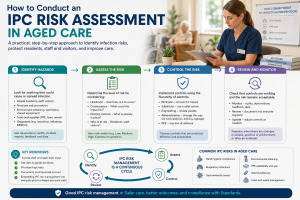
How to Conduct an IPC Risk Assessment in Aged Care
Home › Knowledge Hub › Risk Management › How to Conduct an IPC Risk Assessment in Aged Care Risk Management...
Read More →

How to Plan and Deliver IPC Training Sessions in Aged Care
Planning and delivering effective IPC training sessions in aged care requires a structured approach that aligns session content with regulatory...
Read More →

How to Set Up an Infection Surveillance Program in Aged Care
Setting up an infection surveillance program in aged care requires six core steps: (1) conduct a risk assessment to identify...
Read More →

Infection Surveillance Data Collection and Analysis for Aged Care
Effective infection data collection and analysis in aged care requires structured collection methods, rigorous data quality controls, and systematic analysis...
Read More →

Infection Surveillance in Aged Care: A Complete Guide to Monitoring and Reporting
Infection surveillance in aged care is the systematic collection, analysis, interpretation, and reporting of infection data to prevent healthcare-associated infections...
Read More →
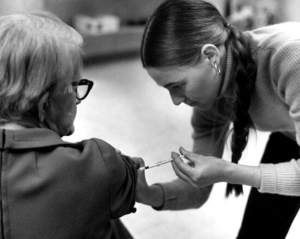
Influenza Vaccination Programs for Aged Care: Planning and Implementation
Influenza vaccination is the single most effective measure to reduce influenza-related morbidity and mortality in aged care. ATAGI recommends annual...
Read More →

IPC Education and Training in Aged Care: A Complete Guide
A Training Needs Analysis (TNA) identifies gaps and directs resources. Training effectiveness must be assessed through observation, audit data, and...
Read More →

IPC Lead Communication and Stakeholder Engagement in Aged Care
Effective IPC Lead communication in aged care determines whether infection prevention programmes drive real change or remain compliance documents. Under...
Read More →

IPC Lead Reporting Updates 2025
2025 brought the most significant regulatory overhaul for IPC Leads in Australian aged care since the role was legislated in...
Read More →

IPC Lead Role in Aged Care: Resources and Support
Every Australian Government-funded RACF is legally required to have an on-site IPC Lead who is a registered or enrolled nurse...
Read More →

IPC Lead Self-Assessment and Professional Development in Aged Care
The AQF Level 8 specialist IPC qualification is commonly expected as the baseline qualification for IPC Leads, rather than the...
Read More →

IPC Lead Toolkit: Daily, Weekly, Monthly and Quarterly Tasks for Aged Care
A practical reference guide for Infection Prevention and Control Leads in Australian and New Zealand residential aged care — with...
Read More →

IPC Lead Training Requirements: AQF Level 8 in Aged Care
Every residential aged care facility in Australia must have a designated IPC Lead who holds — or is actively working...
Read More →
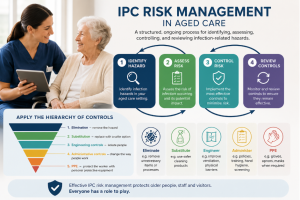
IPC Risk Management in Aged Care
Home › Knowledge Hub › Risk Management › IPC Risk Management in Aged Care Pillar Page By Lyndon Forrest, Managing Director...
Read More →

IPC Risk Management in Home and Community Aged Care
Home › Knowledge Hub › Risk Management › IPC Risk Management in Home and Community Aged Care Risk Management By Lyndon...
Read More →
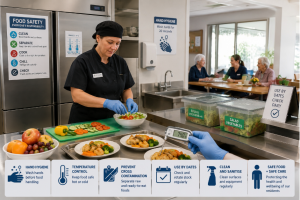
Kitchen and Food Safety in Aged Care: IPC Best Practice Guide
Home › Knowledge Hub › Kitchen Food Safety › Kitchen and Food Safety in Aged Care: IPC Best Practice Guide...
Read More →
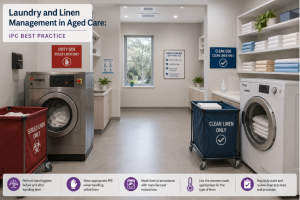
Laundry and Linen Management in Aged Care: IPC Best Practice
Laundry and linen management in aged care is a core IPC standard precaution under the Strengthened Quality Standards. This guide...
Read More →

Laundry Temperature and Washing Requirements for Infection Control
Home › Knowledge Hub › Laundry Management › Laundry Temperature and Washing Requirements for Infection Control Laundry Management By Lyndon Forrest,...
Read More →
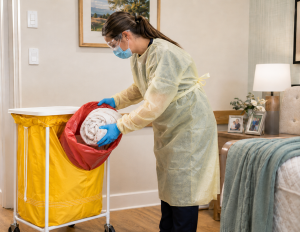
Linen Management During Outbreaks in Aged Care
Home › Knowledge Hub › Laundry Management › Linen Management During Outbreaks in Aged Care Laundry Management By Lyndon Forrest, Managing...
Read More →

Linen Management in Home and Community Aged Care
Home › Knowledge Hub › Laundry Management › Linen Management in Home and Community Aged Care Laundry Management By Lyndon Forrest,...
Read More →

Living With an MRO: Resident Rights and Dignity in Aged Care
Home › Knowledge Hub › MDROs in Aged Care › Living With an MRO: Resident Rights and Dignity in Aged...
Read More →
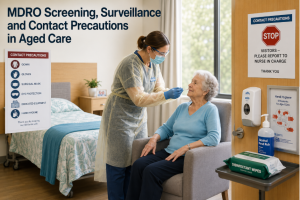
MDRO Screening, Surveillance and Contact Precautions in Aged Care
Home › Knowledge Hub › MDROs › MDRO Screening, Surveillance and Contact Precautions in Aged Care MDROs By Lyndon Forrest, Managing...
Read More →

MRO Precautions in Aged Care, Explained Practically
Home › Knowledge Hub › MDROs in Aged Care › MRO Precautions in Aged Care, Explained Practically MDROs in Aged...
Read More →

MRSA Prevention and Management in Aged Care
Home › Knowledge Hub › MDROs › MRSA Prevention and Management in Aged Care MDROs By Lyndon Forrest, Managing Director, Infection...
Read More →
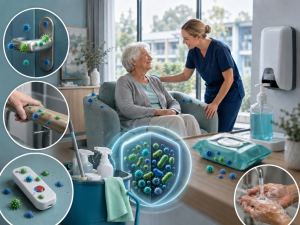
Multi-Drug Resistant Organisms (MDROs) in Aged Care
Home › Knowledge Hub › MDROs › Multi-Drug Resistant Organisms (MDROs) in Aged Care Pillar Page By Lyndon Forrest, Managing Director...
Read More →

Outbreak Documentation and Reporting Requirements in Aged Care
Outbreak documentation in aged care must meet regulatory requirements under the Aged Care Act 2024 and the Strengthened Standards. Facilities...
Read More →

Outbreak Management in Aged Care
Outbreak management in aged care requires a structured, phased approach covering preparation, identification, response, and recovery. Australian residential aged care...
Read More →

Post-Outbreak Review: How to Debrief and Improve in Aged Care
A post-outbreak review should be conducted within two weeks of the outbreak being declared over. It should include the IPC...
Read More →

PPE Stockpiling and Supply Chain Management for Winter in Aged Care
Home › Knowledge Hub › Winter Preparedness › PPE Stockpiling and Supply Chain Management for Winter in Aged Care Winter...
Read More →

PPE Training for Aged Care: Donning, Doffing, and Compliance
Home › Knowledge Hub › IPC Education › PPE Training for Aged Care: Donning, Doffing, and Compliance IPC Education By Lyndon...
Read More →

Respiratory Outbreak Management for Winter 2026
Home › Knowledge Hub › Outbreak Management › Respiratory Outbreak Management for Winter 2026 Outbreak Management By Lyndon Forrest, Managing Director...
Read More →
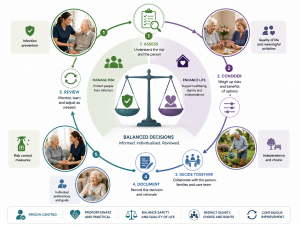
Risk Acceptance in Aged Care IPC: Balancing Safety and Quality of Life
Home › Knowledge Hub › Risk Management › Risk Acceptance in Aged Care IPC: Balancing Safety and Quality of Life...
Read More →

Root Cause Analysis After an IPC Incident in Aged Care
Home › Knowledge Hub › IPC Risk & Quality › Root Cause Analysis After an IPC Incident in Aged Care...
Read More →

Safe Linen Handling Procedures for Aged Care Workers
Home › Knowledge Hub › Laundry Management › Safe Linen Handling Procedures for Aged Care Workers Laundry Management By Lyndon Forrest,...
Read More →

Setting Up an IPC Committee in Aged Care
From 1 November 2025, all Category 5 and 6 aged care providers in Australia must have a committee (or equivalent...
Read More →
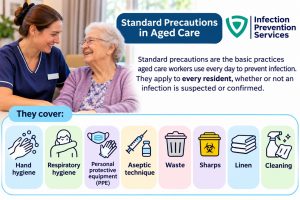
Standard Precautions in Aged Care: The Foundation of Infection Prevention
Standard precautions apply to every resident, every time. Learn the nine components, from hand hygiene and PPE to aseptic technique,...
Read More →

Temperature Control and Food Safety in Aged Care Kitchens
Home › Knowledge Hub › Kitchen Food Safety › Temperature Control and Food Safety in Aged Care Kitchens Kitchen Food...
Read More →

Terminal Cleaning in Aged Care: When and How to Do It Right
Home › Knowledge Hub › Environmental Cleaning › Terminal Cleaning in Aged Care: When and How to Do It Right...
Read More →
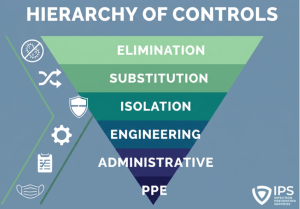
The Hierarchy of Controls for Infection Prevention in Aged Care
The hierarchy of controls for infection prevention in aged care ranks risk control measures across 6 levels from most effective...
Read More →

Training Needs Analysis for IPC in Aged Care: How to Identify and Address Gaps
Home › Knowledge Hub › IPC Education › Training Needs Analysis for IPC in Aged Care: How to Identify and...
Read More →
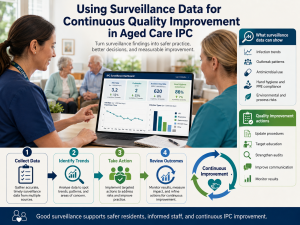
Using Surveillance Data for Continuous Quality Improvement in Aged Care IPC
Home › Knowledge Hub › Infection Surveillance › Using Surveillance Data for Continuous Quality Improvement in Aged Care IPC Infection...
Read More →
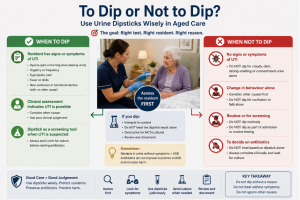
UTI Surveillance and the To Dip or Not to Dip Framework in Aged Care
Home › Knowledge Hub › Infection Surveillance › UTI Surveillance and the To Dip or Not to Dip Framework in...
Read More →

Ventilation and Indoor Air Quality in Aged Care
Home › Knowledge Hub › Winter Preparedness › Ventilation and Indoor Air Quality in Aged Care Winter Preparedness By Lyndon Forrest,...
Read More →

VRE in Aged Care: What Every Facility Needs to Know
Vancomycin-resistant enterococci (VRE) are increasingly common in Australian aged care, with 42.5% of E. faecium isolates showing vancomycin resistance in...
Read More →

Winter Preparedness for Infection Prevention in Aged Care
Winter preparedness for infection prevention in aged care requires systematic planning that begins in March-April, well before the Australian winter...
Read More →

Working with the IPC Lead Role as a Clinical Nurse in Aged Care
Clinical nurses in aged care work alongside the IPC Lead daily; still, the boundaries between the two roles are often...
Read More →